

Servicing Our Customers For Over 100 Years
100 years of high quality boilers — and the parts, expert repair capabilities and support services to help keep them running at peak performance long-term
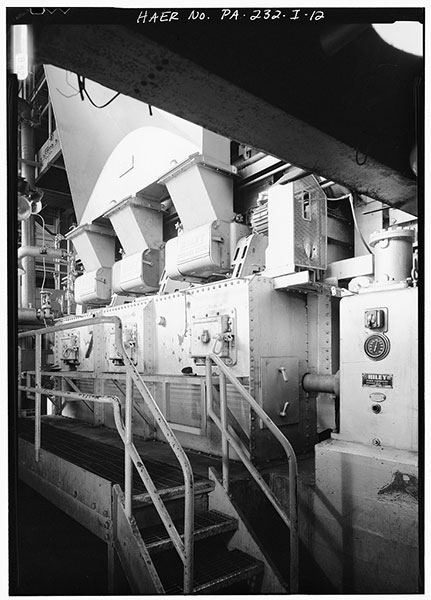
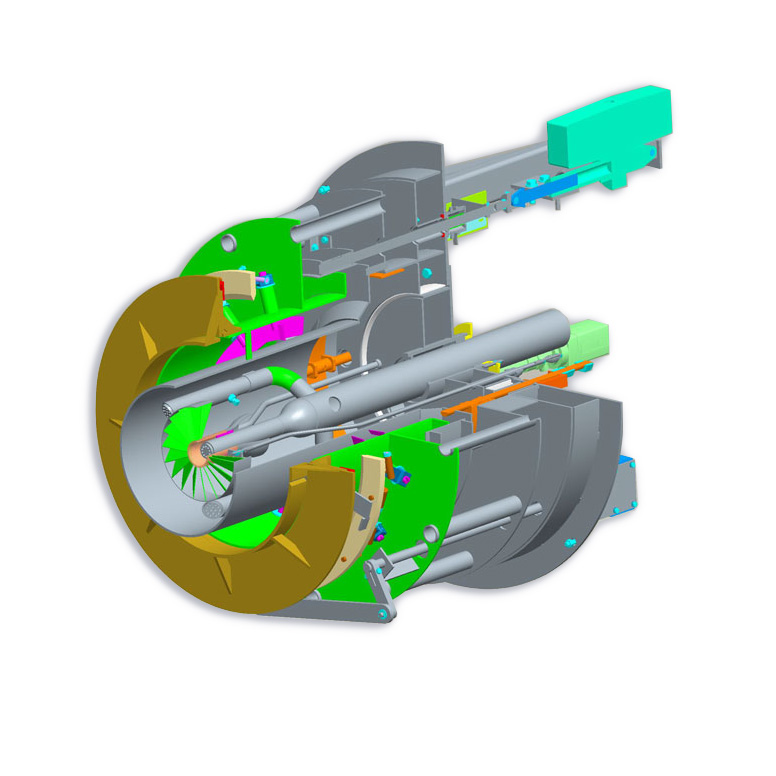
With more than a century of experience, Riley Power Inc. is a highly respected manufacturer of steam boiler parts and fuel burning equipment for all types of fossil and waste fuel fired boilers, including those that fire coal, oil, gas, as well as waste fuels including refuse, wood and cellulose byproducts. We offer a complete line of fuel firing equipment, including our patented low NOx dual air zone CCV® coal-fired wall burner line, STS® gas/oil low NOx burner designs, and a wide variety of stokers and pulverizers. We also have a full line of selective catalytic reduction (SCR) systems for liquid, gaseous and solid fuels, as well as coal-fired aqueous, anhydrous, and urea-based ammonia systems.
⠀
A Wide Variety of High Quality Equipment and Support
Riley Power is a one-stop shop for new or replacement boilers and boiler parts, as well as everything you need to keep existing equipment running optimally. Our products include:
- Fossil Steam Generators
- Solar Receiver Steam Generators (SRSGs)
- Biomass Steam Generators
- ATRITA® Pulverizers
- Waste to Energy Boilers
- Low NOx Burners
- Retrofit Pressure Parts
- Gas Conversions
- And More
High Quality Parts and the Experience to Get Your Equipment Back to Spec
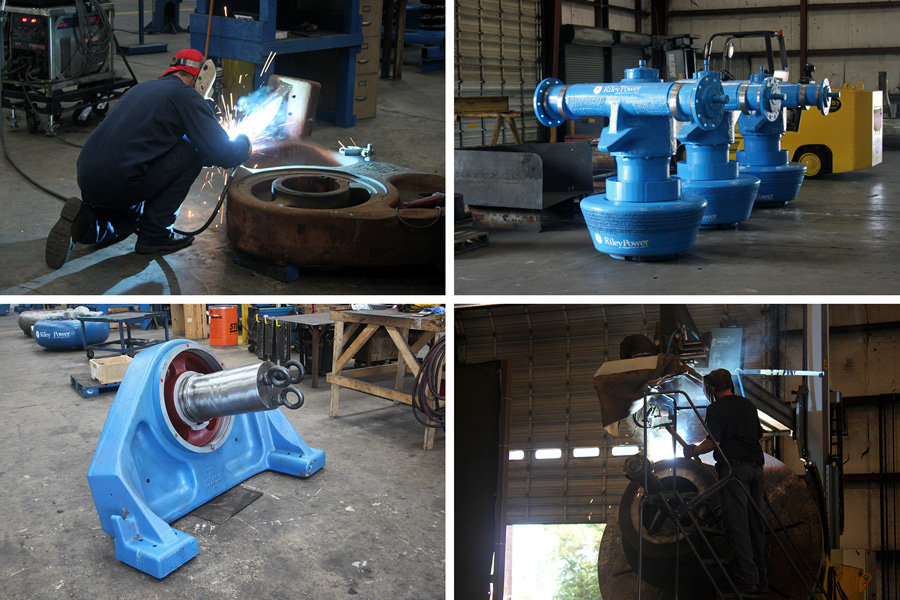
In addition, Riley can also supply high quality boiler replacement parts and perform expert reconditioning, core to pulverizer boiler rebuilds or upgrades on any boiler or similar equipment, regardless of original manufacturer, returning it to original OEM specifications for optimum performance and longevity. All work is performed at our Tyler, Texas facility. With our decades of experience, state-of- the art equipment, dual facility structure, and ready access to quality coal, oil, and other fuel fired boiler parts right in-house, we are able to deliver superior service, with fast turnaround at an outstanding price point.
Engineering Studies and More:
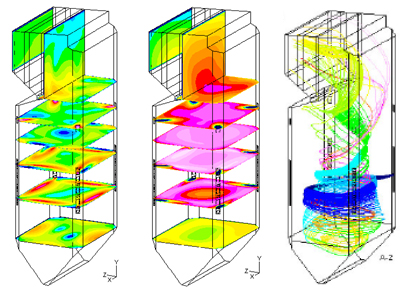
Riley Power also provides expert commissioning and field service troubleshooting and related services related to all the equipment in our portfolio, regardless of manufacturer. We perform customized Engineering Evaluation Studies, Remaining Life Analysis, Condition Assessments, Non Destructive Testing, High Energy or Covered Piping Systems Studies, Coal to Gas Conversion Studies, Burner Inspections using drones and borescopes, and more, all performed by highly experienced personnel. We also do P91 Evaluation and Testing, and have a metallurgical laboratory right on site at our Marlborough, Massachusetts headquarters. We can also provide comprehensive expert training for your new hires or provide refresher courses on a wide variety of fuel equipment topics, and can readily work with you to customize programs to meet site needs.
Boiler Drone Inspection
High Quality Riley Aftermarket Boiler and Related Parts and Services Include:
- Pulverizers
- Milling Systems
- Burners
- Component Rebuilds
- Component Repair & Rotation Program
- Grinding Roll Repair
- Component Fabrication
- New Pulverizer Parts
- Inspections
- Inventory Management
- Condition Assessment
- Studies
- Training
- Metallurgical Laboratory
- And More
Service Center
Tyler, TX
Riley Power’s Service Center offer the experience and expertise to rebuild and repair your power plant equipment. We are a leading supplier of quality gas and oil boiler parts and services and offer 100 plus years of rebuild experience. We offer the superior wear resistance of our DURATECH Tungsten Carbide Weld Overlay. Riley Power provides exceptional value and service to our customers.
Learn More About Riley Power
Overviews
- Riley Power Company Overview
- Atrita Coal Pulverizers
- Atrita Pulverizer Upgrades
- Ball Tube Mill Gearbox Rebuilds
- Boiler Cycling and Low Load Assessments
- Economizers for All Applications
- Enhance and Upgrade Existing SCR Unit Operation with Riley Power’s Proven Delta Wing® Technology
- Grinding Roll Tire Overlay Services
- Journal Assembly Rebuilds
- Metallurgical Laboratory Services
- Multiple Blade Variable Orifice
- Pulverizer Services Combustion Optimization Program
- Rebuild, Repair, Rotational Programs
- Rebuild, Repair, Rotational Programs for Industrial Market
- Rebuilding Pulverizer Wear Parts MPS Style Mills
- Refurbished Mills – Industrial Market
- Selective Catalytic Reduction Systems
- Tangentially Fired Combustion Systems Parts
Success Powered by Riley
 You’re Backed by the Substantial Resources of BPI
 You’re Backed by the Substantial Resources of BPI
Riley Power Inc. is part of Babcock Power Inc., an international company with multiple specialized business units all working independently and together as needed to best meet customer needs. For example, we might tap into the extensive parts inventory and boiler tube fabrication expertise of sister company Boiler Tube of America for a particular job, to deliver even better service for our customer.
Contact Riley Today for Your Steam Generation Equipment, Services & Parts
Whether you need a new boiler, or want to optimize your current equipment and operation, regardless of OEM, contact Riley Power today:
- 508-852-7100