 Combined cycle plants increasingly operate across changing load conditions rather than at one steady output. Each startup, shutdown, and load transition changes temperatures, pressures, and flow conditions throughout the HRSG. When these changes repeat, components may experience uneven expansion and cumulative thermal stress. Understanding how the complete steam system responds during cyclic operation is essential to protecting reliability while preserving the flexibility operators need.
How Cycling Affects HRSG Components
Thermal transients do not affect every component in the same way. Thick-walled pressure parts can heat and cool more slowly than adjacent piping or tubing. Drain performance, condensate management, attemperation, and steam-flow conditions can also influence local temperature differences. Over time, repeated gradients may contribute to fatigue in vulnerable areas, making operating history an important part of any condition assessment.
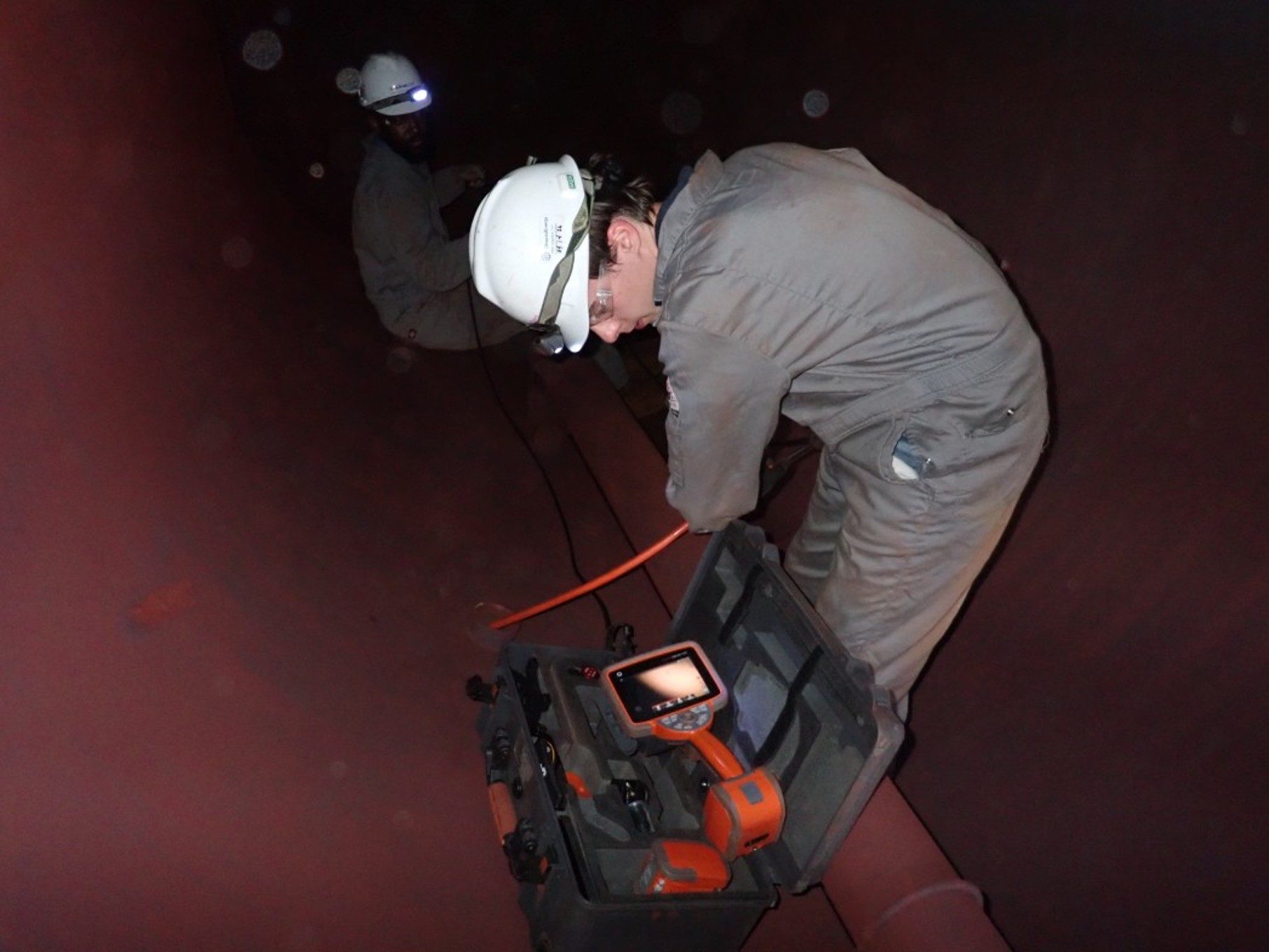
Connect Operating Data with Inspection Findings
A practical cycling review should consider startup and shutdown sequences, ramp rates, temperature trends, drainage behavior, and recurring alarms. Inspection results become more useful when evaluated alongside those records. This combined view helps operators focus attention on areas that experience the most demanding transients and distinguish isolated findings from patterns linked to cyclic duty.
Use Engineering Insight to Guide Next Steps
When a pattern is identified, the response should fit the unit and its operating objectives. Possible actions may include refining operating practices, adjusting inspection scope, evaluating component condition, or studying a retrofit. The goal is not to apply one standard answer to every HRSG, but to understand the system-level cause before selecting a durable solution.
Managing cyclic operation requires coordination among operations, maintenance, inspection, and engineering teams. For Vogt, this is why lifecycle support brings together engineering, fabrication, services, and parts from new build through the life of the HRSG, helping operators connect operating demands with practical reliability decisions.