July 8, 2026 | 2 Minute Read
Complex energy projects rarely fail because of a single technical issue. More often, risk emerges when engineering, fabrication, field execution, and service teams operate in isolation. Even highly capable organizations can struggle when responsibilities are fragmented across multiple vendors with different priorities, processes, and communication channels.
As projects become larger and more complex, coordination becomes just as important as technical expertise.
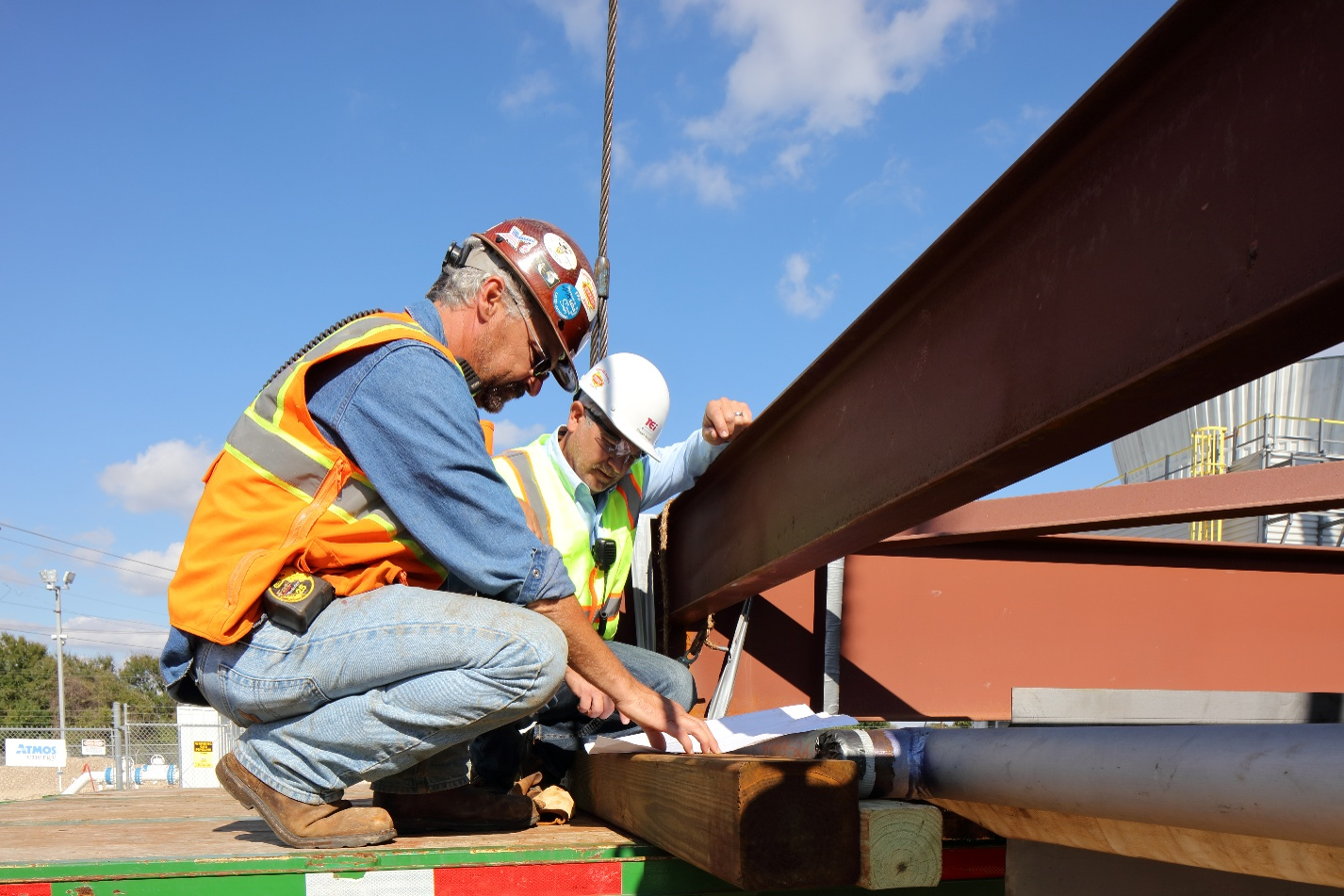
The Hidden Cost of Fragmentation
One of the most common challenges in project delivery is the gap between planning and execution. Engineering decisions can affect fabrication schedules. Construction activities may uncover issues that require design adjustments. Service and maintenance considerations often influence long-term performance.
When these functions are managed separately, critical information can be delayed, misunderstood, or overlooked altogether. The result is often rework, schedule pressure, and increased project risk.
What Enterprise Alignment Really Means
Enterprise alignment is more than organizational structure. It is the ability to bring specialized expertise together through a coordinated approach to project delivery.
For customers, this often takes the form of turnkey solutions that connect engineering, manufacturing, construction, and service under a unified project framework. Instead of managing multiple vendors across separate scopes, project owners work with teams operating under shared standards, common objectives, and clear accountability.
At Babcock Power, strategically assembled subsidiaries contribute specialized expertise while collaborating as an integrated team when projects require broader capabilities. This approach helps ensure that decisions made during engineering are aligned with fabrication requirements, field execution plans, and long-term operational considerations
Reducing Complexity for Customers
For project owners, alignment also simplifies oversight.
Instead of managing multiple vendors across different scopes of work, customers can engage a coordinated team capable of supporting a project through multiple phases. This reduces administrative burden while providing greater visibility into schedules, responsibilities, and project status.
Most importantly, it creates clearer accountability when decisions need to be made and challenges need to be addressed.
Why It Matters
As the energy industry continues to balance reliability, modernization, and growing demand, successful projects will depend on more than technical solutions alone.
Organizations that align expertise across engineering, fabrication, field execution, and service are often better positioned to identify risks early, respond effectively to change, and deliver more predictable outcomes.
In complex projects, alignment is not simply an organizational advantage. It is a practical way to reduce risk before it becomes a problem.