June 10th, 2026 | 3 minute read
In power generation construction, labor is often the determining factor in whether a project stays on schedule. Most major work is performed during planned outages or within tightly controlled construction windows, where installation sequencing depends on having the right skilled trades on site at the right time. When labor availability falls short, the impact is immediate, affecting productivity, coordination, and overall project execution.
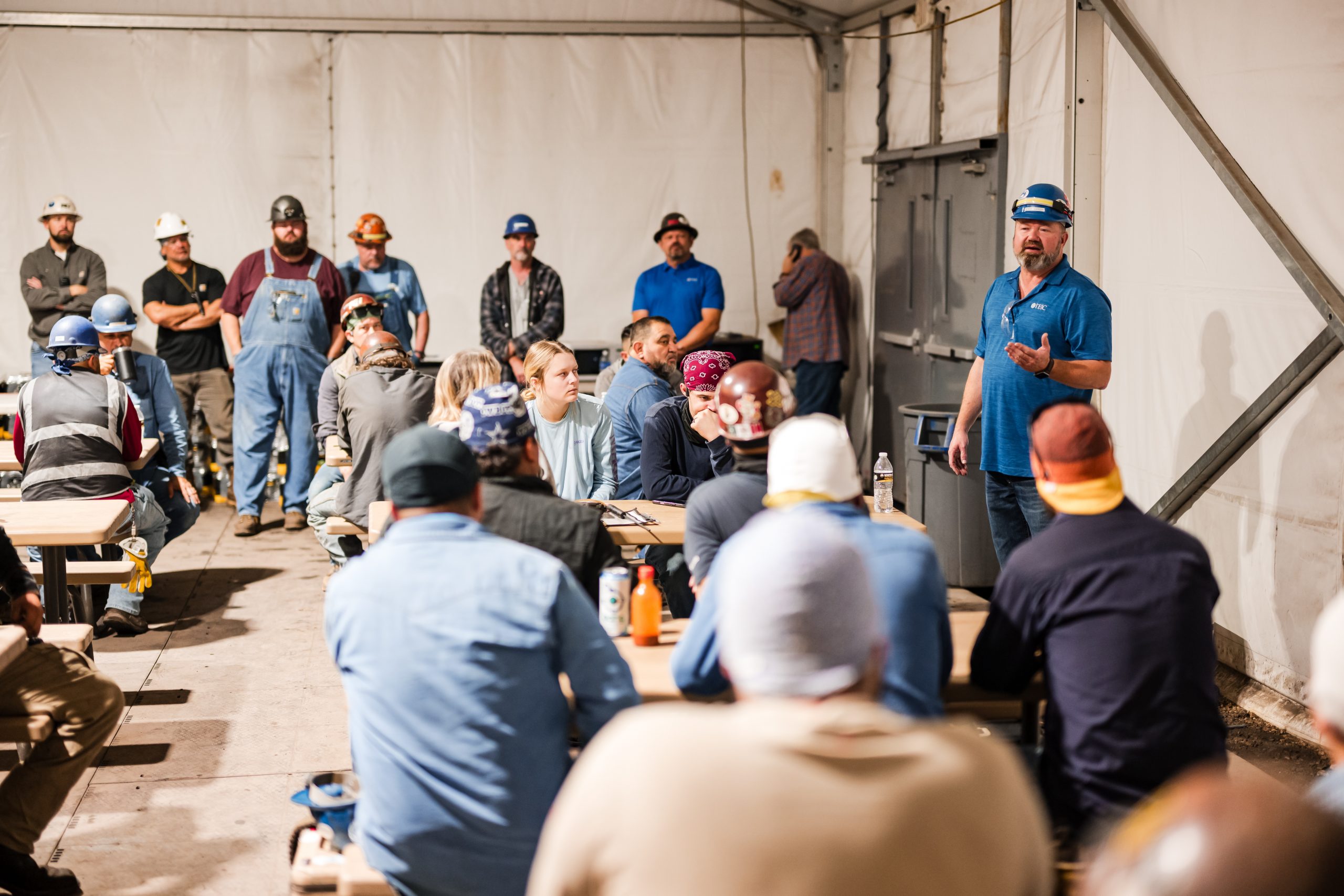
Labor Availability Directly Impacts Execution
Skilled trades such as boilermakers, electricians, and welders perform work that must follow a defined sequence. If one phase is delayed due to labor gaps, downstream activities are affected. In compressed schedules, this can lead to overlapping work scopes, reduced efficiency, and increased pressure on crews to maintain progress while upholding safety and quality standards.
Securing Skilled Labor Requires Early Planning
Successful projects begin workforce planning well before mobilization. Understanding labor demand by craft, duration, and sequencing allows project teams to identify potential gaps early. In a competitive labor market, early visibility and coordination are essential to securing qualified personnel when they are needed.
Efficient Labor Ramp-Up Supports Schedule Control
Outage and construction work often require rapid increases in workforce size. Bringing in additional crews must be done in a controlled manner, ensuring workers are properly aligned with project phases, site conditions, and supervision. A structured ramp-up approach helps maintain productivity without overwhelming job site coordination.
Retention and Consistency Drive Performance
Maintaining a stable, experienced workforce throughout the project improves both efficiency and quality. Consistent crews develop familiarity with site conditions, project expectations, and team coordination, reducing the likelihood of rework or delays.
Keeping Projects on Track Through Workforce Discipline
Managing labor effectively requires more than filling positions. It depends on disciplined planning, clear field leadership, and coordinated execution. In complex energy projects, the ability to deploy and manage skilled labor efficiently remains a critical factor in delivering safe, reliable results.
TEiC maintains a nationally distributed workforce across the United States, allowing project teams to scale labor resources in alignment with construction and outage schedules. This national footprint provides access to experienced craft labor and field leadership that can be mobilized quickly as project demands increase. By aligning skilled personnel with specific project phases and regional requirements, teams are able to maintain continuity, support existing site crews when needed, and respond efficiently to both planned work and emerging conditions in the field.