June 17th, 2026 | 3 minute read
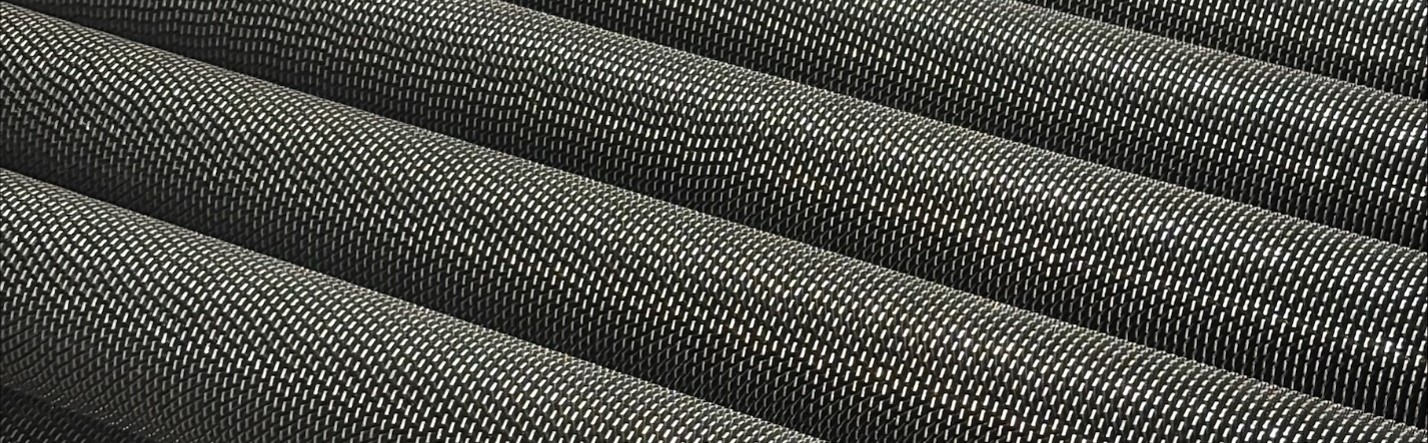 How Spiral Fin Geometry Enhances Heat Transfer
In boiler systems and heat recovery applications, improving heat transfer efficiency is a constant priority. Spiral fin tubing is designed to increase the external surface area of a tube, allowing for more effective heat exchange between the process fluid and surrounding gases.
By wrapping a continuous fin around the tube in a helical pattern, spiral fin designs promote better heat absorption and more uniform temperature distribution. This geometry also supports improved gas-side heat transfer by increasing turbulence and contact time.
Balancing Efficiency with Mechanical Integrity
While increased surface area improves performance, it also introduces additional mechanical considerations. Fin attachment must be secure enough to withstand thermal expansion, vibration, and long-term operation in high-temperature environments.
Properly designed spiral fin tubing maintains a balance between enhanced heat transfer and structural durability. Ensuring that fins remain tightly bonded to the base tube is essential for maintaining efficiency over time.
Fabrication and Weld Quality Considerations
The performance of spiral fin tubing depends heavily on fabrication quality, particularly at the weld interface between the fin and the tube. Continuous, uniform welds help ensure consistent heat transfer and reduce the risk of fin separation during operation.
Controlled welding processes, proper material preparation, and inspection procedures all contribute to long-term reliability. Variations in weld quality can lead to localized performance losses or maintenance challenges.
Material Selection for Demanding Boiler Applications
Material selection plays a key role in both performance and longevity. Carbon steel is commonly used for general applications, while low alloy and stainless steels may be required for higher temperature or corrosive environments.
Selecting the appropriate material ensures compatibility with operating conditions and helps maintain both heat transfer efficiency and structural integrity over the life of the component.
As heat transfer demands continue to increase, spiral fin tubing provides an effective way to improve efficiency without compromising durability. For boiler operators, achieving this balance depends on both design and fabrication quality. At Boiler Tube Company of America (BTA), this is why careful attention to material selection, welding practices, and manufacturing consistency remains central to supporting reliable boiler performance.