Industrial construction projects are being executed amid tight labor markets, aging assets, and demanding outage schedules. In that environment, safety is more than a compliance obligation. It is a practical indicator of how well a project is planned, led, and controlled. A strong safety culture supports the disciplined field execution that operators, engineers, and project decision makers need when work must move efficiently without compromising people, quality, or operational readiness.
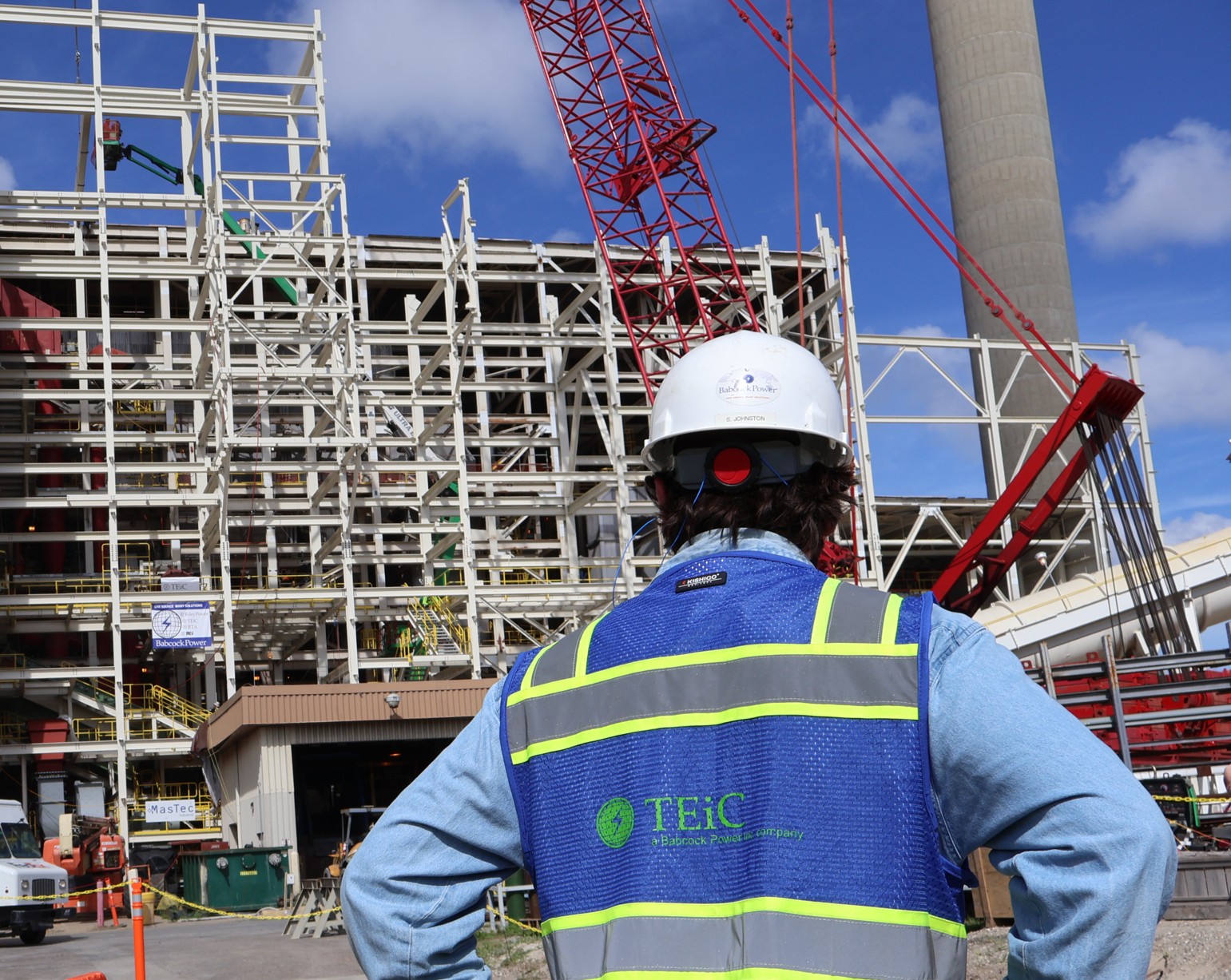
Safety and Execution Discipline
Safe work begins before crews enter the work area. Clear scopes, realistic sequencing, defined responsibilities, and effective pre-job communication help teams recognize hazards and understand how their tasks interact with other trades. The same planning habits also reduce congestion, uncertainty, and avoidable handoffs. When conditions change, a well-led team can pause, reassess, and communicate the adjustment before work resumes.
Workforce Confidence and Field Performance
Experienced craft professionals are more effective when expectations are consistent and supervisors reinforce them in the field. Visible safety leadership gives crews a reliable framework for raising concerns, coordinating work, and maintaining focus during high-pressure activities. It also helps newly mobilized personnel integrate into established work practices, which is especially important when multiple trades must perform in sequence within active facilities or compressed outage windows.
Trust Built Through Consistent Control
Owners evaluate a contractor not only by the finished installation, but also by how the work is managed. Consistent safety practices demonstrate preparation, accountability, and respect for site requirements. They also strengthen communication among plant personnel, project managers, supervisors, and craft teams. That transparency helps stakeholders understand current conditions, planned work, and the controls supporting each phase of execution.
Safety and project performance are closely connected because both depend on disciplined planning, clear communication, and accountable field leadership. For TEiC, this is why safety, workforce readiness, and hands-on project management remain central from initial estimating through commissioning and closeout.