June 24, 2026 | 3 minute read
Aligning HRSG Design with Project Performance Objectives
In capital power projects, HRSG design plays a central role in determining how effectively a plant meets its performance targets. Efficiency, output, and operational flexibility are all influenced by how the HRSG is engineered within the overall combined cycle configuration. Early design decisions, including pressure levels, steam conditions, and heat transfer surface arrangements, must align with project goals to ensure the system performs as intended once in operation. A well-aligned design supports not only initial performance guarantees but also long-term operational stability.
Designing for Site Conditions and Gas Turbine Integration
Each HRSG must be engineered to match the specific conditions of the plant site and the characteristics of the selected gas turbine. Ambient temperature, elevation, and environmental factors all influence heat recovery performance and system sizing. At the same time, turbine exhaust flow, temperature profiles, and load cycling behavior directly impact HRSG design requirements. Careful integration between the gas turbine and HRSG ensures consistent steam production across a range of operating conditions and helps avoid performance limitations during real-world operation.
Designing for Constructability and Project Execution
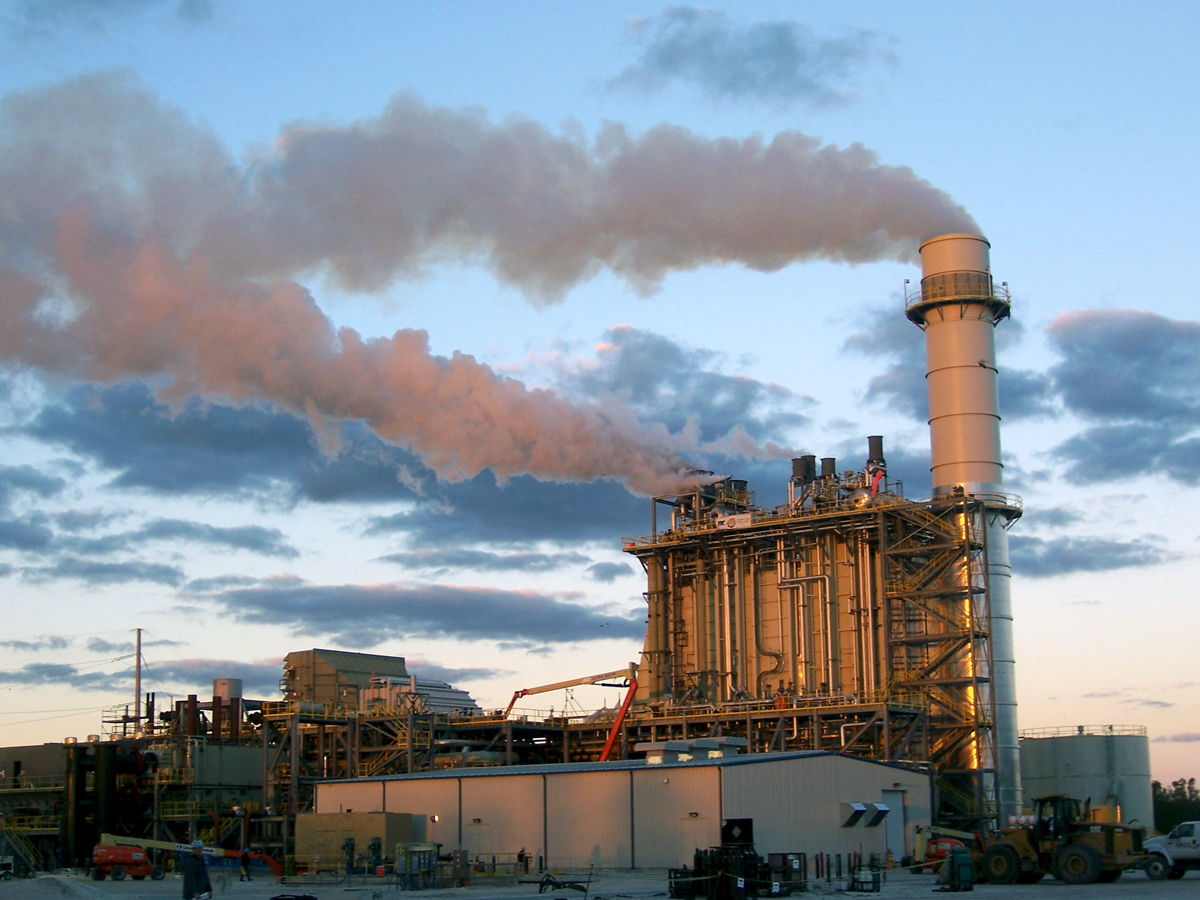
Beyond performance, HRSG design must also account for how the system will be built, installed, and integrated into the plant. Constructability considerations influence schedule reliability, field labor efficiency, and overall project risk. Factors such as horizontal or vertical gas path configuration, selection of one, two, or three pressure levels, and inclusion of reheat all effect how the unit is fabricated and erected. Designing with these inputs in mind helps ensure the final configuration is not only efficient, but also executable in the field.
Designing for Long-Term Reliability and Lifecycle Value
Beyond initial performance, capital projects must consider how HRSG design supports long-term reliability and maintainability. Component selection, material choices, and access for inspection all influence how the system performs over time. Designs that account for thermal expansion, cycling conditions, and maintenance accessibility can help reduce wear on critical components and support more predictable operation. Taking a lifecycle approach during the engineering phase helps minimize future downtime and supports sustained plant performance.
Engineering HRSGs to Support Long-Term Project Success
Successful capital projects depend on aligning design decisions with both immediate performance goals and long-term operational needs. The HRSG is a key part of that equation, influencing efficiency, reliability, and overall plant output. At Vogt, this is why engineering efforts focus on tailoring HRSG designs to site-specific conditions, turbine requirements, and long-term performance expectations, helping operators achieve reliable and efficient operation across the full lifecycle of the plant.