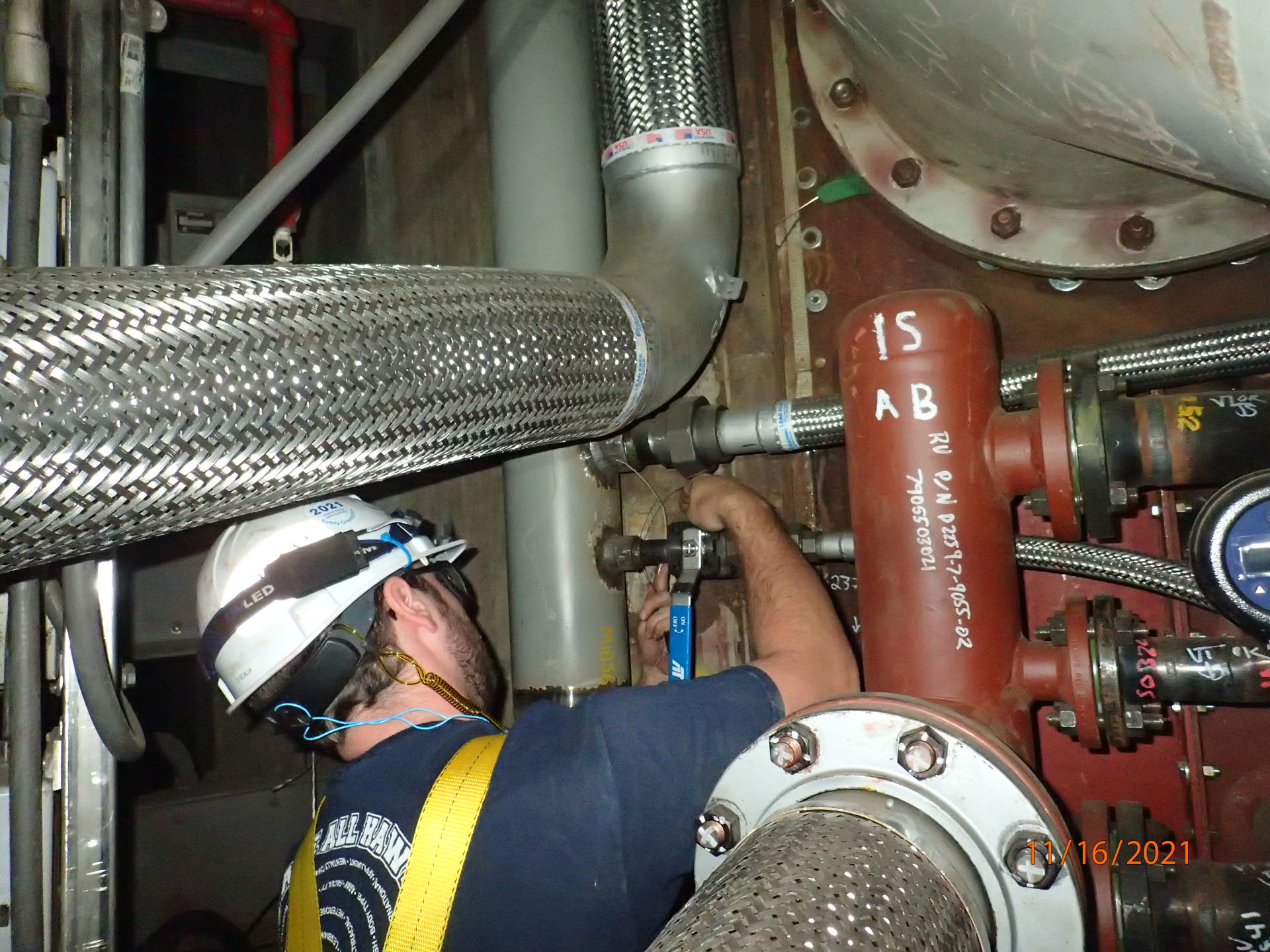
 Steam system retrofits are rarely isolated changes. A modification to one system can affect interfaces elsewhere in the plant. That challenge is increasingly important as some coal-unit retirements are delayed and existing assets remain part of reliability planning. Policy shifts have delayed several coal-plant retirements while they face growing demand, changing resource characteristics, and more challenging operating conditions. For owners planning upgrades, disciplined scope definition is essential to convert that pressure into reliable execution.
Where Retrofit Scope Gaps Begin
Legacy plants often contain configurations that differ from original drawings because of past work or undocumented field modifications. A design that is technically sound at one equipment boundary may still create conflicts with supports, access, instrumentation, controls, drainage, or startup requirements. These gaps are easiest to address before procurement and field work begin, when teams can verify conditions and test assumptions across disciplines.
Define Interfaces Before the Outage
Effective planning starts with a clear boundary for every work package and a shared view of its balance-of-plant connections. Teams should reconcile drawings with field conditions, identify tie-in points, assign interface ownership, and carry those decisions into engineering, equipment supply, construction planning, testing, and commissioning. Constructability reviews and coordinated schedule development can then expose access, sequencing, and handoff conflicts while options remain open.
Keep Changes Connected to the Whole System
Retrofit discovery cannot always be eliminated. It can, however, be managed through one change process that evaluates technical, schedule, procurement, and field impacts together. When engineering, equipment, and execution teams work from the same priorities, decisions move with clearer accountability and fewer disconnected assumptions.
A complete retrofit scope is more than a list of components. It is a coordinated plan for every interface from existing conditions through startup. At BPS, this is why integrated project execution keeps engineering, equipment, schedule, and field responsibilities aligned around one comprehensive steam-system solution.