

The need for reliable transmission infrastructure is growing as utilities plan for new generation, large-load interconnections, and expanding electricity demand. The U.S. Department of Energy has identified a pressing need for additional transmission infrastructure. Meeting that need requires more than visible equipment. Successful substation construction depends on coordinated work below and above grade, with each phase establishing the conditions for the next.
Below-Grade Work Establishes the Foundation
Below-grade construction includes excavation, grounding grids, underground electrical work, duct banks, drilled piers, and concrete foundations. These elements define equipment locations, cable routes, grounding continuity, and structural support. Because much of this work becomes concealed, field verification, dimensional control, and alignment with issued construction documents are essential before backfill or concrete placement limits access.
Above-Grade Work Brings the Electrical Yard Together
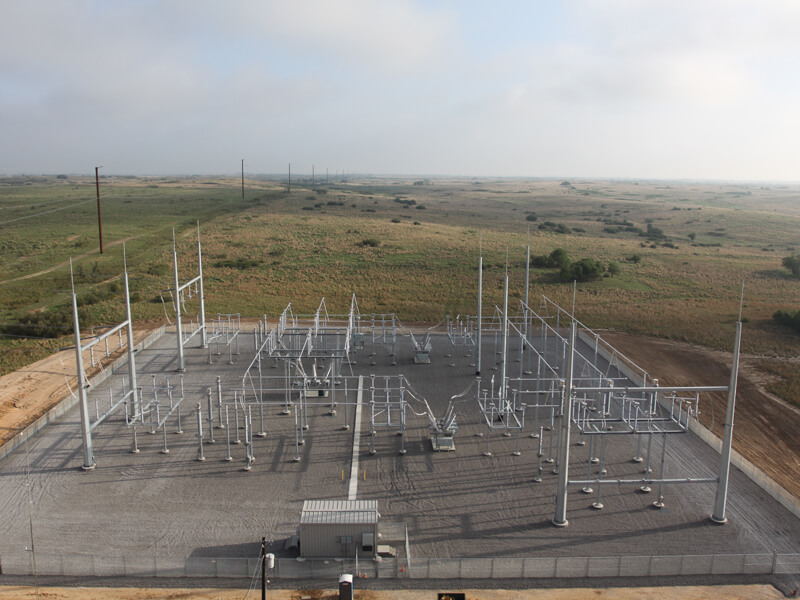
Once foundations and embedded items are ready, crews can move into structural steel erection, major equipment setting, bus fabrication and welding, cable installation, and associated elevated work. Above-grade progress depends on accurate anchor-bolt patterns, elevations, conduit stub-ups, grounding connections, and clear access for cranes and installation crews. A small conflict below grade can become rework when steel or equipment arrives.
Coordination Connects Both Scopes
The strongest construction plans treat below-grade and above-grade work as one sequence rather than separate packages. Constructability reviews should connect civil, structural, and electrical requirements; procurement milestones should align with foundation and equipment-setting dates; and field teams should verify handoff points before the next activity begins. This coordination supports safer execution, protects quality, and helps maintain schedule control as work moves toward testing and commissioning.
Full-scope substation construction succeeds when the work that cannot be seen supports the equipment that can. For Paradigm Power Delivery, that means coordinating foundations, grounding, steel, equipment, buswork, and electrical installation as one connected construction effort focused on safe, dependable power delivery.





