When a unit goes offline, the pressure to respond quickly is immediate. Operations teams need answers, repair scopes need to be defined, and skilled labor must be mobilized without delay. In these situations, speed matters, but safe and controlled execution matters more.
Emergency outage response depends on more than getting crews to site quickly. It requires clear planning, experienced supervision, workforce readiness, and safety controls that support productive work from the first shift.
Response Planning Starts Early
Even emergency work benefits from planning discipline. Equipment history, site access, material availability, labor needs, and sequencing all influence how quickly a repair can move from assessment to execution. When these details are evaluated early, project teams are better prepared to define the work, assign resources, and reduce confusion once crews arrive.
Early planning also helps identify constraints that could affect the repair window, including access limitations, staging areas, inspection requirements, and work occurring around active plant systems.
Workforce Readiness Drives Execution
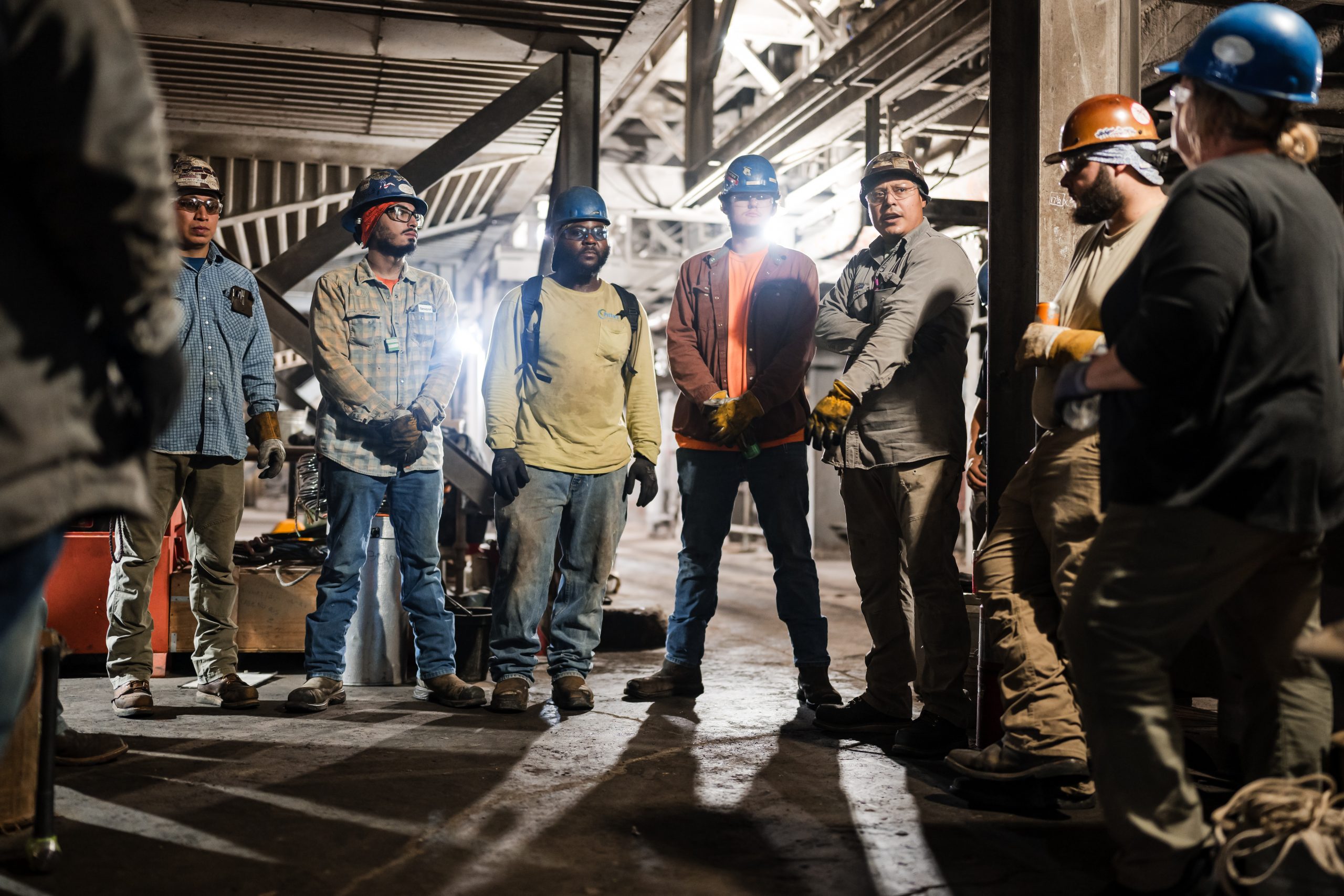
Outage work often requires a rapid labor response. Skilled trades must be available, properly assigned, and coordinated with supervision, safety, quality, and plant personnel. Having the right people in the right roles helps maintain momentum while reducing the risk of rework or miscommunication.
Effective mobilization is not just about labor volume. It is about matching experienced crews to the work sequence and ensuring field leadership can keep activities aligned as conditions change.
Safety Controls Keep Work Moving
Compressed timelines can increase pressure on field teams, which makes safety planning even more important. Job hazard reviews, lockout/tagout coordination, access planning, lift plans, hot work controls, and daily communication help create the structure crews need to work efficiently and safely.
Strong safety controls do not slow emergency response. They help keep the work organized, reduce interruptions, and support consistent execution throughout the outage.
Maintaining Quality Under Pressure
Emergency conditions can create urgency, but quality requirements cannot be pushed aside. Inspection points, documentation, material verification, weld procedures, and turnover requirements should be built into the execution plan from the beginning.
When quality is managed throughout the repair process, teams can reduce rework, support compliance, and improve confidence as equipment returns to service.
Bringing the Unit Back Online
Successful emergency outage response comes down to disciplined execution under pressure. Fast mobilization, clear communication, experienced field leadership, and strong safety controls all play a role in reducing downtime without compromising the standards required for reliable operation.
At TEiC, this is why outage work is supported by detailed planning, skilled labor deployment, hands-on project management, and a continued focus on safety and quality from response through completion.